
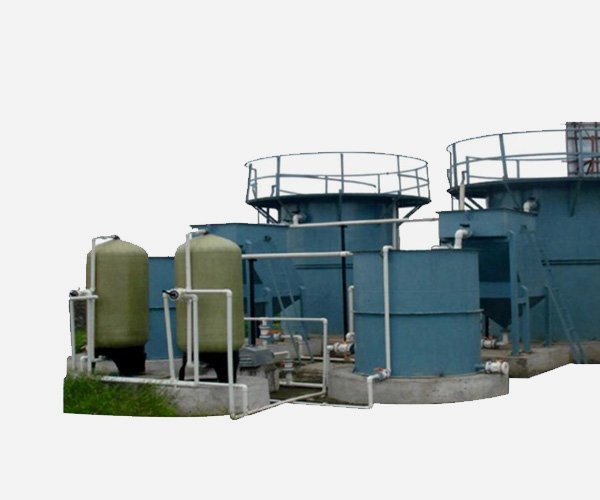
Effluent Treatment Plant Manufacturer in India
Water Pure Filtration is a leading effluent treatment plant manufacturer in India. offering advanced water treatment solutions designed to purify, treat, and recycle industrial wastewater with high efficiency. Our ETP systems are widely used in various industries, including hospitals, textiles, pharmaceuticals, power plants, chemical processing units, and food manufacturing, ensuring safe discharge and full compliance with environmental standards.
An ETP plant manufacturer. We specialize in designing and supplying advanced systems that treat industrial wastewater to make it safe for discharge or reuse. These plants use processes such as filtration, biological treatment, chemical neutralization, and sludge handling to remove harmful pollutants, toxic chemicals, and suspended solids from effluents. ETP plants are known for delivering cost-effective and eco-friendly solutions.
Effluents generated from industries such as textiles, pharmaceuticals, chemicals, tanneries, and dairies contain harmful pollutants that cannot be discharged without proper treatment. To prevent environmental contamination and comply with regulations, Effluent Treatment Plants (ETPs) are installed to treat wastewater effectively before disposal or reuse.
ETP systems are engineered to remove organic compounds, suspended solids, oils, chemicals, heavy metals, and other toxic and non-toxic substances through a combination of physical, chemical, and biological processes such as sedimentation, filtration, coagulation, aeration, evaporation, and sludge handling. These advanced treatment methods ensure safe discharge, maximum water recovery, and complete environmental compliance.
Effluent Treatment Plant Solutions | Advanced ETP Systems for Clean Water
Over 15+ Years of Expertise in Effluent Treatment Plant Manufacturing
As a leading effluent treatment plant manufacturer in Ahmedabad, India. We provide cost-effective wastewater treatment solutions tailored to industries. Our ETP plants are compact, durable, easy to operate, and built to meet national and international standards. They help industries reduce pollution, recycle wastewater, and maintain sustainable operations across sectors, including textiles, chemicals, pharmaceuticals, and dairy processing.
ETP Plant Technical Specifications
| Parameter | Specification |
|---|---|
| Treatment Capacity | 5 KLD to 1000 KLD (customizable as per industry needs) |
| Treatment Technology | Physico-Chemical + Biological + Tertiary Treatment |
| Influent Characteristics | BOD: 300–1000 mg/L, COD: 600–2000 mg/L, TSS: 400–800 mg/L |
| Effluent Quality | BOD < 30 mg/L, COD < 100 mg/L, TSS < 50 mg/L |
| Material of Construction | RCC / MS / FRP / HDPE / PP (based on chemical compatibility) |
| Automation Level | Manual / Semi-Automatic / Fully Automatic |
| Power Requirement | 3–Phase, 415V, 50Hz |
Frequently Asked Questions (FAQ)
What is an Effluent Treatment Plant (ETP)?
An ETP is a system designed to treat industrial wastewater by removing harmful chemicals, solids, and pollutants, making the water safe for discharge or reuse.
Why is an ETP important for industries?
It ensures compliance with environmental regulations, reduces pollution, and promotes water recycling—critical for sustainable industrial operations.
How does an ETP Plant work?
The process typically includes screening, pH correction, coagulation, biological oxidation, filtration, disinfection, and sludge treatment.
Can treated water from an ETP be reused?
Yes, after proper treatment, the water can be reused for cooling systems, cleaning, gardening, or other non-potable applications.
Which industries commonly use ETP Plants?
Textile, chemical, pharmaceutical, food processing, and automotive sectors rely on ETPs to manage wastewater responsibly.
What are the benefits of installing an ETP Plant?
It reduces environmental impact, conserves water, avoids regulatory penalties, and supports long-term operational efficiency.
How often should an ETP be maintained?
Routine maintenance every 3–6 months is recommended, including checks on filters, pumps, tanks, and automation systems to ensure optimal performance.
WhatsApp us