
Water Softening Plant Manufacturer
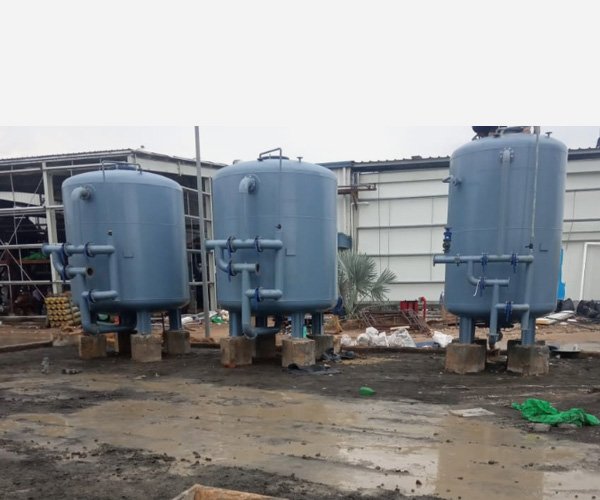
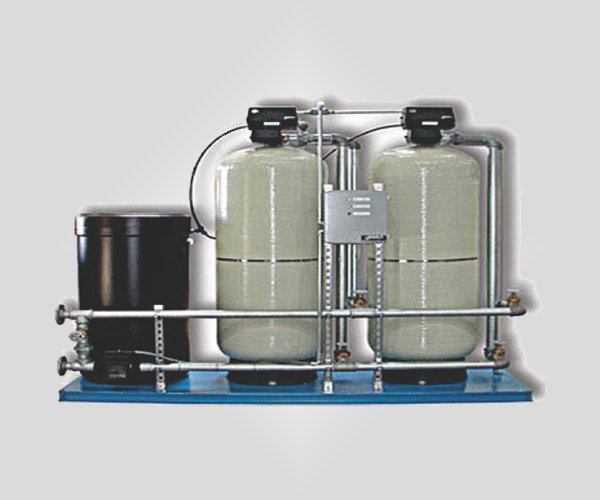
Water Pure Filtration is one of the leading automatic water softening plant manufacturer in India. Offering water softening plants engineered to deliver consistent, high-quality water solutions across industries. Their systems are designed to effectively reduce hardness by removing calcium and magnesium ions, protecting plumbing infrastructure and prolonging equipment life. With advanced resin-based technology and user-friendly controls, Water Pure Filtration plants offer efficient performance with minimal maintenance. Clients benefit from optimised water flow, reduced scaling, and improved operational efficiency, making these softening units a used choice for commercial and industrial applications seeking reliability and water quality assurance.
A leading Water Softening Plant Manufacturer delivers advanced solutions designed to eliminate hardness-causing minerals such as calcium and magnesium, ensuring a reliable supply of soft, treated water for industrial, commercial, and residential applications. The company offers both fully automatic and semi-automatic plants, engineered with ion-exchange technology, intuitive controls, and durable components for long-lasting, efficient performance.
Renowned for cost-effectiveness and quality, the manufacturer serves clients across India and exports globally, supporting diverse sectors including textiles, pharmaceuticals, food processing, and hospitality with high-performance water treatment systems that enhance productivity and sustainability.
Softening is a process where Calcium and Magnesium ions are exchanged for sodium ions. Calcium and Magnesium ions associated with Alkalinity contribute to scale formation. These ions are also called as total hardness. The strong acid cation resins in sodium form are used for softening the water. When the resins are exhausted, they are regenerated with a brine solution (sodium chloride). 10% of 15% brine solution is normally used for regeneration. If the brine solution is passed from the bottom of the resins and service flow is from the top, then it is called a upflow softener. If the service and regeneration flows are from top to bottom, it is called a downflow softener. The softeners are run up to the Hardness level of 5 ppm as CaCo3 in the treated water. This is called as Industrial Zero hardness.
Automatic Water Softening Plant Manufacturer | Efficient Hard Water Treatment Solutions
An automatic water softening plant is an essential water treatment system designed to remove hardness-causing minerals such as calcium and magnesium from raw water, transforming it into soft water that is safe and suitable for domestic, commercial, and industrial applications. Using an ion-exchange process, the plant replaces hard minerals with sodium or potassium ions, effectively preventing scale buildup in plumbing systems, boilers, and appliances, which enhances their efficiency and extends their lifespan. Water softener plants are widely used in households, hotels, hospitals, manufacturing units, and other facilities where hard water can lead to operational issues and increased maintenance costs.
By delivering consistently soft water, these systems not only improve the performance of cleaning agents like soaps and detergents but also contribute to better skin and hair health. Soft water helps reduce energy consumption by ensuring smooth heat transfer in industrial equipment. Investing in a water softening plant is a proactive solution for water quality, protecting infrastructure, and promoting cost savings through reduced repair and replacement needs.
Water Softening Plant Technical Specifications
| Parameter | Specification |
|---|---|
| Flow Rate Capacity | 500 LPH to 100,000 LPH (customizable) |
| Softening Technology | Ion Exchange Process using Cation Resin |
| Raw Water Hardness | Up to 1000 ppm (as CaCO₃) |
| Treated Water Hardness | < 5 ppm (as CaCO₃) |
| Resin Type | Strong Acid Cation Resin (SAC) – Food Grade / Industrial Grade |
| Regeneration Method | Co-current / Counter-current with NaCl (Common Salt) |
| Regeneration Cycle | After 10–12 hours of operation or as per hardness load |
| Material of Construction | FRP / MSRL / SS304 / SS316 (based on application) |
| Operating Pressure | 2–4 kg/cm² |
| Operating Temperature | Up to 45°C |
| Control System | Manual / Semi-Automatic / Fully Automatic with PLC |
| Salt Tank Capacity | 100–500 Liters (based on plant size) |
| pH Range of Feed Water | 6.5–8.5 |
| Power Requirement | 230V / 415V, 50Hz |
Frequently Asked Questions (FAQ)
What is a Water Softening Plant?
A Water Softening Plant is a system designed to remove hardness-causing minerals—primarily calcium and magnesium—from water, making it suitable for industrial, commercial, or domestic use.
Why is water softening necessary?
Hard water leads to scale buildup in pipes, boilers, and equipment, reducing efficiency and increasing maintenance costs. Softening prevents these issues and improves water quality.
How does a Water Softening Plant work?
It typically uses ion exchange technology, where calcium and magnesium ions are replaced with sodium or potassium ions via resin beads. The system regenerates periodically using a brine solution.
Can softened water be reused?
Yes, softened water is ideal for boilers, cooling towers, cleaning processes, and even bathing or laundry, depending on the application.
Which industries benefit from Water Softening Plants?
Textile, food & beverage, hospitality, healthcare, pharmaceuticals, and manufacturing sectors commonly use softeners to protect equipment and improve process efficiency.
How often should the plant be maintained?
Routine checks every 1–2 months are recommended, including salt level monitoring, resin regeneration, and system flushing to ensure optimal performance.
WhatsApp us