
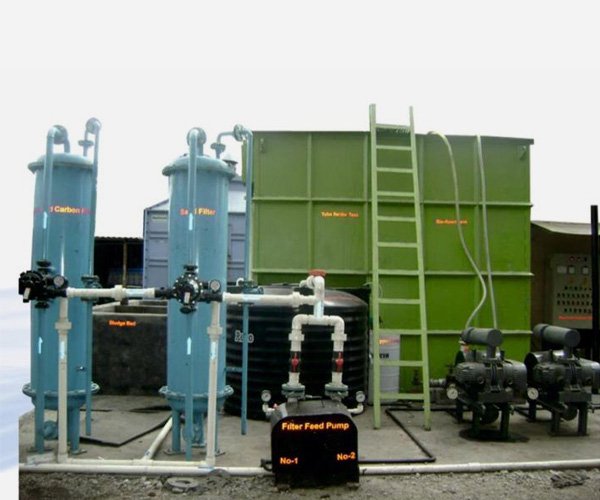
Sewage Treatment Plant (STP Plant) Guide: How It Works & Why It Matters
Effective wastewater management is essential for maintaining public health, environmental safety, and sustainable urban development. As industries, residential complexes, hotels, and commercial spaces expand, the demand for STP Plants continues to rise. Water Pure Filtration, a trusted Sewage Treatment Plant Manufacturer and Supplier in India, provides advanced solutions designed to treat wastewater efficiently, reduce pollution, and support water reuse initiatives.
What Is a Sewage Treatment Plant (STP Plant)?
A Sewage Treatment Plant (STP) is a specialised system designed to treat domestic and commercial wastewater before it is safely discharged or reused. This wastewater typically contains harmful contaminants such as bacteria, organic matter, suspended particles, oils, chemicals, and nutrients. An STP Plant removes these impurities using physical, biological, and chemical processes.
In India, where urbanisation is rapidly increasing, STPs are not just a regulatory requirement but a necessity for sustainable living. Water Pure Filtration delivers modern, energy-efficient, and eco-friendly solutions tailored to various applications such as housing societies, industrial units, hospitals, educational campuses, and more.
How an STP Plant Works – Step-by-Step Process
1. Preliminary Treatment
This is the first stage where large solids, plastic waste, grit, and debris are removed through screening and grit chambers. This protects downstream equipment and ensures smooth operation.
2. Primary Treatment
Wastewater enters sedimentation tanks where heavier particles settle at the bottom as sludge while lighter materials float on the surface. This process removes up to 60% of suspended solids.
3. Biological (Secondary) Treatment
This is the heart of an STP Plant. Microorganisms are introduced or naturally activated to break down organic matter. Popular technologies include:
- Activated Sludge Process (ASP)
- Moving Bed Biofilm Reactor (MBBR)
- Sequential Batch Reactor (SBR)
- Membrane Bioreactor (MBR)
4. Secondary Clarification
Treated wastewater from the biological process moves into clarifiers, where biomass settles and is separated from the clean water.
5. Tertiary Treatment
This stage ensures high-quality output water through processes like:
- Sand & carbon filtration
- UV disinfection
- Chlorination
- Ultrafiltration
The final treated water is clear, safe, and reusable for gardening, flushing, cooling towers, or landscape irrigation.
6. Sludge Treatment
The collected sludge is further treated via thickening, dewatering, or digestion. This reduces waste volume and allows safe disposal.
Features of Modern Sewage Treatment Plants by Water Pure Filtration
- Compact & Space-Saving Design: Our STP Plants are engineered for areas with limited space, including residential towers, commercial buildings, and hotels.
- Low Power Consumption: Designed with energy-efficient motors, blowers, and automation systems to reduce long-term operational costs.
- Eco-Friendly Operation: All systems follow strict environmental norms, ensuring safe discharge and minimal carbon footprint.
- Odour-Free and Noise-Free Functioning: Advanced aeration and ventilation systems prevent unpleasant odours and maintain a quiet environment.
- Easy Installation & Low Maintenance: Water Pure Filtration designs STPs for plug-and-play installation, minimal manual intervention, and smooth operation.
- High Treatment Efficiency: Our plants deliver high BOD, COD, and TSS removal efficiency to meet CPCB norms.
- Durable Build Quality: Made from corrosion-resistant materials for long-term performance even in harsh environments.
Benefits of Installing an STP Plant
- Environmental Protection: STPs prevent untreated sewage from entering rivers, lakes, and soil, reducing water pollution and ecological damage.
- Water Conservation: Treated wastewater can be reused for flushing, gardening, and industrial processes. This reduces dependence on freshwater sources.
- Legal Compliance: Government guidelines mandate STP installation in commercial and residential projects. Installing a compliant STP helps avoid penalties.
- Cost Savings: By reusing treated water, societies and industries save significantly on water bills.
- Public Health Safety: Proper sewage treatment reduces risks associated with waterborne diseases such as cholera, dysentery, and typhoid.
- Sustainability & Green Building Ratings: Using STPs contributes to LEED, IGBC, and GRIHA green building certifications.
Why Choose Water Pure Filtration – STP Plant Manufacturer in India?
Water Pure Filtration has built a strong reputation for providing reliable and technologically advanced Sewage Treatment Plants in India. Here’s what sets us apart:
- Customised STP design based on site layout and sewage load
- High-quality equipment and durable materials
- In-house manufacturing & engineering expertise
- Nationwide supply and installation support
- End-to-end solutions including commissioning, training, and after-sales service
- Cost-effective and energy-efficient plants suitable for all industries
A well-designed and properly functioning Sewage Treatment Plant (STP Plant) is essential for maintaining environmental balance, supporting water recycling, and ensuring compliance with government norms. As a leading Sewage Treatment Plant Manufacturer in Ahmedabad, India, Water Pure Filtration helps businesses, residential projects, and industries manage wastewater responsibly.
Leave A Comment